Is branded chocolate good conference swag?
Branded chocolate can feel generous and memorable, but temperature control, allergens, shelf life, breakage, and labeling make event logistics decisive.
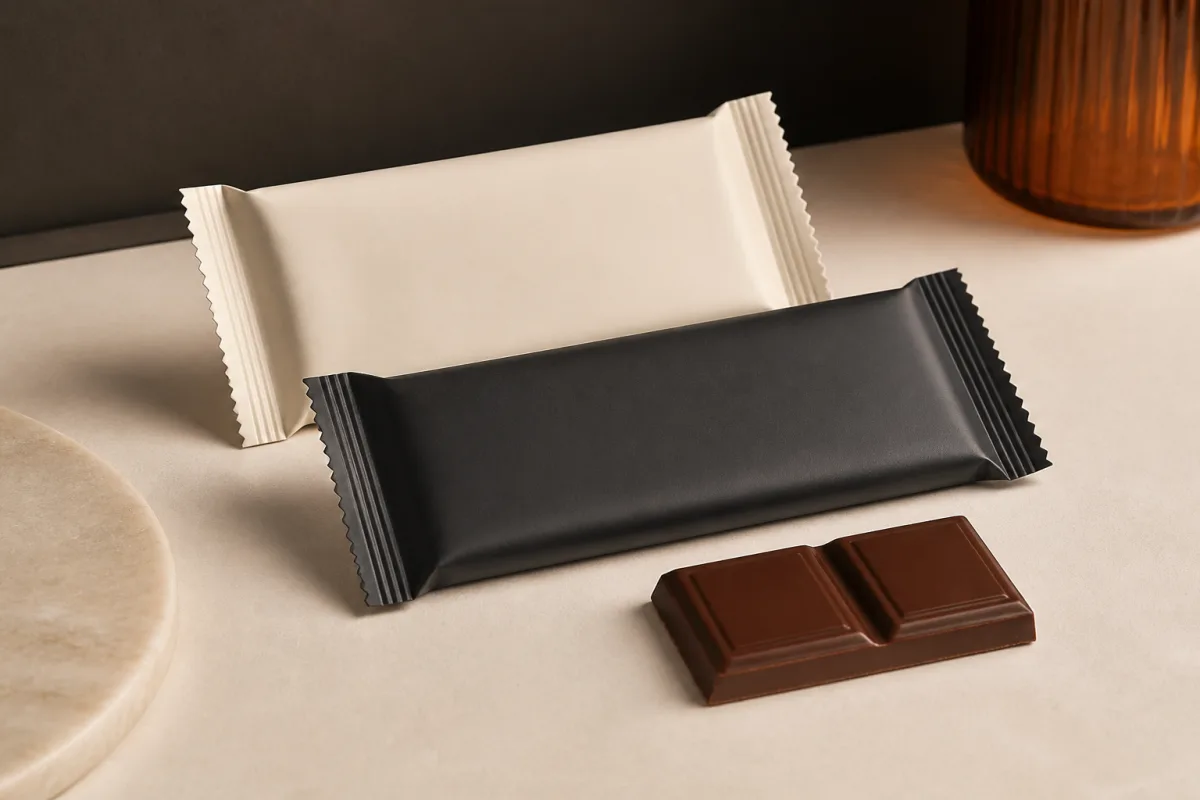
Branded chocolate can be good conference swag when it arrives fresh, stays cool, and is offered with complete ingredient and allergen information. It is a poor choice when boxes sit in a hot van, loading dock, sunny booth, or recipient’s luggage.
Review at a glance
| Factor | Assessment |
|---|---|
| Indicative unit price | $0.19–$3.55 per piece or bar |
| Common minimum | 125–1,200 units |
| Visitor value | Medium |
| Recommended distribution | Open giveaway |
| Best for | Climate-controlled events with managed storage and clear allergen labeling |
| Main risk | Heat, bloom, melting, allergens, and short shelf planning can turn a premium treat into a messy handout |
| Verdict | Conditional choice |
Visitor value is an editorial assessment of likely usefulness and fit, not a measured engagement or conversion result. Validate the decision with your own audience and a production-equivalent sample.
Where this item earns its place
It fits customer meetings, hospitality moments, seasonal events, and audiences that appreciate a small consumable rather than another object. Individually sealed pieces make quantity and hygiene easier to manage than an open dish.
Why it fails or creates waste
Melting, fat or sugar bloom, crushed bars, nut and dairy allergens, dietary restrictions, and leftover shelf life can erase the premium effect. Oversized custom wrappers also create waste after a few bites of food.
What the price range means
On August 21, 2026, 4imprint listed individual chocolate squares at $0.19–$0.30 with a 1,200-unit minimum and a wrapped one-ounce Belgian chocolate bar at $1.39–$2.15 with a 125-unit minimum. Add setup, insulated or expedited freight, tax, temperature-controlled storage, and expected spoilage.
Test the sample before approving production
Use a production-equivalent sample, not only a digital artwork proof, and perform the test under the conditions a recipient will face. Record pass-or-fail results so price does not quietly overrule a real compatibility or quality problem.
- Supplier provides ingredients, allergens, lot code, and best-before date for the exact product.
- A shipment-equivalent sample survives the planned route without melting, bloom, odor, or breakage.
- Wrapper stays sealed and legible after booth storage.
- Booth can keep stock within the supplier’s stated temperature range.
- A non-chocolate alternative is available without making visitors disclose a medical reason.
Receive and inspect a test shipment under realistic seasonal conditions. Keep original labeling and traceability, and discard compromised food rather than trying to improve its appearance at the booth.
Distribution rule
Offer sealed chocolate from managed, cool stock and replenish small quantities at a time. Let visitors see allergen information before taking it and provide an equivalent non-food or suitable alternative.
Final recommendation
Choose chocolate when climate control, labeling, freshness, and alternatives are genuinely manageable. Skip it for hot outdoor events, uncertain freight routes, or booths without secure food storage.
Use the conference swag selection guide to compare the job, recipient, and landed cost. Review other options in the conference swag library before committing the order.
Next steps
Useful next steps
Guides
How to choose conference swag that earns its place
A practical method for choosing, sampling, distributing, and reviewing conference giveaways without buying clutter.
Guides
Are AirPods cases good conference swag?
AirPods cases are compact and inexpensive, but exact-generation compatibility sharply limits the audience and makes model identification essential.
Guides
Are baseball caps good conference swag?
Baseball caps provide visible, durable value for the right audience, but fit and conspicuous branding make them a poor universal handout.