Are mini first-aid kits good conference swag?
Mini first-aid kits can help with minor travel needs, but contents, expiry, instructions, market rules, and the limits of a tiny kit must be made clear.
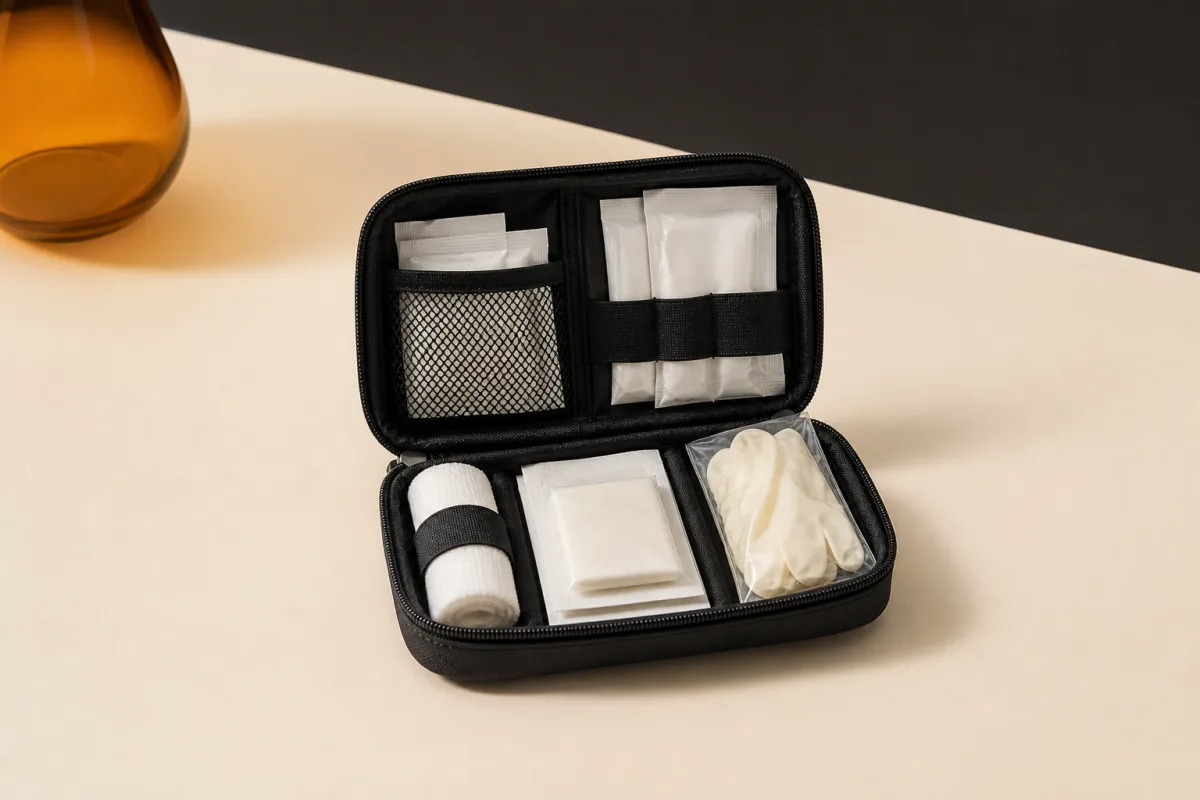
Mini first-aid kits can be useful selective swag when the contents are appropriate, traceable, and honestly described as basic supplies. They should never replace the venue’s professional first-aid plan or imply that a few bandages prepare someone for every emergency.
Review at a glance
| Factor | Assessment |
|---|---|
| Indicative unit price | $2.29–$5.35 each |
| Common minimum | 75–100 units |
| Visitor value | Medium |
| Recommended distribution | High-value follow-up |
| Best for | Travel, field, outdoor, and safety-oriented audiences when contents, expiry, labeling, and limitations are reviewed |
| Main risk | Tiny kits can imply preparedness while omitting useful supplies or containing expired, inappropriate, or poorly labeled items |
| Verdict | Conditional choice |
Visitor value is an editorial assessment of likely usefulness and fit, not a measured engagement or conversion result. Validate the decision with your own audience and a production-equivalent sample.
Where this item earns its place
They suit field teams, outdoor programs, travelers, vehicles, site visits, and safety-oriented customers with a defined minor-care use. A compact, refillable case can retain value after the original consumables expire.
Why it fails or creates waste
Headline item counts can be inflated by tiny wipes or repeated bandages while omitting gloves, useful sizes, or clear instructions. Adhesives age, antiseptic or medicine rules vary, seals break, and recipients may trust expired contents.
What the price range means
On August 21, 2026, 4imprint listed a Mini Sling First Aid Kit at $2.29–$3.75 and a Mini Roll Top First Aid Kit at $3.15–$5.35 across their quantity ranges. Add setup, freight, tax, regulatory review, expiry management, and replacement stock.
Test the sample before approving production
Use a production-equivalent sample, not only a digital artwork proof, and perform the test under the conditions a recipient will face. Record pass-or-fail results so price does not quietly overrule a real compatibility or quality problem.
- Inventory lists each component, quantity, manufacturer, lot, expiry, and intended use.
- Seals are intact and instructions remain readable after bag carry.
- Case opens quickly and contents stay organized rather than falling loose.
- A qualified safety reviewer confirms contents are appropriate for the intended market and audience.
- Refill and expired-component disposal plan is clear.
Have the organization’s safety owner inspect production-equivalent kits and documentation. Do not add medicines, remove labels, or improvise a custom medical assortment without appropriate professional and regulatory review.
Distribution rule
Reserve kits for named travelers, field users, customers, or safety-program participants, preferably with a short contents card. Direct anyone needing care at the event to the venue’s established medical resources rather than the giveaway.
Final recommendation
Choose mini first-aid kits when a qualified review supports the exact contents and the recipient has a credible travel or field use. Skip novelty kits judged by item count or used as a substitute for event safety planning.
Use the conference swag selection guide to compare the job, recipient, and landed cost. Review other options in the conference swag library before committing the order.
Next steps
Useful next steps
Guides
How to choose conference swag that earns its place
A practical method for choosing, sampling, distributing, and reviewing conference giveaways without buying clutter.
Guides
Are AirPods cases good conference swag?
AirPods cases are compact and inexpensive, but exact-generation compatibility sharply limits the audience and makes model identification essential.
Guides
Are baseball caps good conference swag?
Baseball caps provide visible, durable value for the right audience, but fit and conspicuous branding make them a poor universal handout.