Are stress balls good conference swag?
Stress balls are inexpensive and easy to hand out, but generic shapes rarely provide enough visitor value to justify another novelty item.
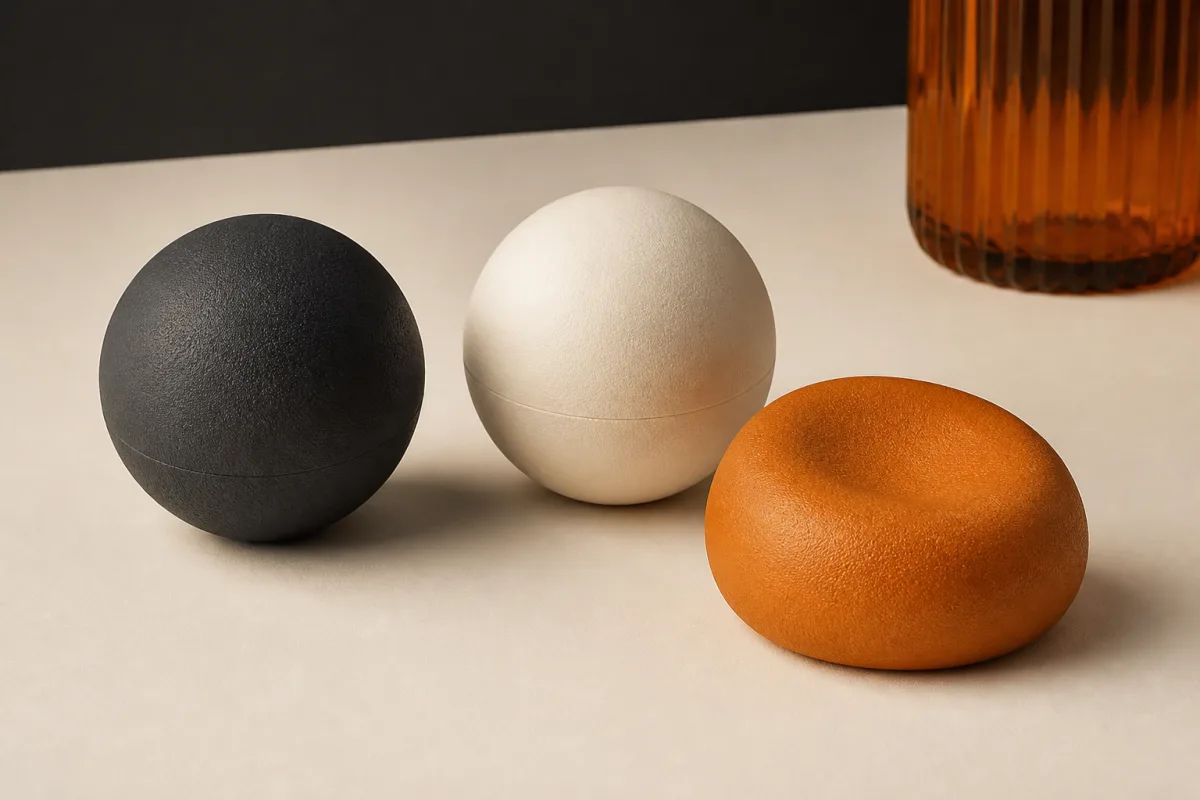
A stress ball is usually weak conference swag because it is easy to collect but gives most visitors little reason to keep using it. Consider one only when the shape makes a sharp connection to the booth message and the sample feels durable enough to survive repeated squeezing.
Review at a glance
| Factor | Assessment |
|---|---|
| Indicative unit price | $1.77–$2.95 at 250 units, before setup, shipping, and tax |
| Common minimum | 100–150 units |
| Visitor value | Low |
| Recommended distribution | Open giveaway |
| Best for | A relevant visual metaphor tied directly to the campaign |
| Main risk | It becomes an undifferentiated novelty that is discarded after the show |
| Verdict | Usually skip |
The low visitor-value rating is an editorial judgment about likely utility, not a measured attendee response. A memorable custom shape may perform differently, but it should be tested as a campaign concept rather than assumed to work because the object is playful.
When the shape can carry the idea
A stress reliever can earn its place when a visitor understands the connection without staff explaining a pun. A cybersecurity company using a clearly relevant warning shape, for example, has a stronger reason than a software company choosing a random sphere and adding its logo.
The tactile action can also give nervous hands something to do during a conversation. That moment is brief, however, and does not establish that the visitor will take the object home or remember what the brand does.
Why generic stress balls fail
Commodity foam varies in rebound, surface finish, odor, and print durability. The item is also commonly treated as a toy even though suppliers may explicitly state that it is not intended for children or pets, creating an avoidable mismatch at family-accessible events.
On August 21, 2026, 4imprint listed its Capsule Stress Reliever at $1.77 each for 250 plus a $60 setup charge. Its Traffic Light Stress Reliever was $2.95 each at 250 plus $35 setup, and both pages carried the supplier’s not-a-toy safety advisory.
Validate a production-equivalent sample
Squeeze the sample repeatedly, leave it in a warm bag for a day, and rub the imprint with dry and slightly damp hands. Check for cracks, permanent dents, tackiness, odor, flaking print, and a shape that looks confusing from normal conversation distance.
Use these approval checks:
- The visual idea is understood in five seconds without a verbal explanation.
- The imprint remains readable after repeated compression.
- The surface does not feel oily, sticky, or strongly scented.
- The packaging and staff guidance preserve any supplier safety warning.
- The item still feels relevant after the event name and date are removed.
If the concept only works with a large printed explanation, move that idea to a card, sticker, or booth graphic. A giveaway should not require more communication effort than the message it is supposed to reinforce.
Final recommendation
Skip a generic stress ball and put the same budget toward an item with a clear job. Buy one only when the shape is unusually relevant, the sample passes the abuse test, and the team can explain how success will be observed beyond counting how many disappeared.
Use the conference swag selection guide to compare usefulness and landed cost. You can also compare alternatives in the conference swag library.
Next steps
Useful next steps
Guides
How to choose conference swag that earns its place
A practical method for choosing, sampling, distributing, and reviewing conference giveaways without buying clutter.
Guides
Are AirPods cases good conference swag?
AirPods cases are compact and inexpensive, but exact-generation compatibility sharply limits the audience and makes model identification essential.
Guides
Are baseball caps good conference swag?
Baseball caps provide visible, durable value for the right audience, but fit and conspicuous branding make them a poor universal handout.