Are tote bags good conference swag?
Tote bags can provide immediate value on the show floor, but size, handle comfort, quality, and distribution timing decide whether they get used.
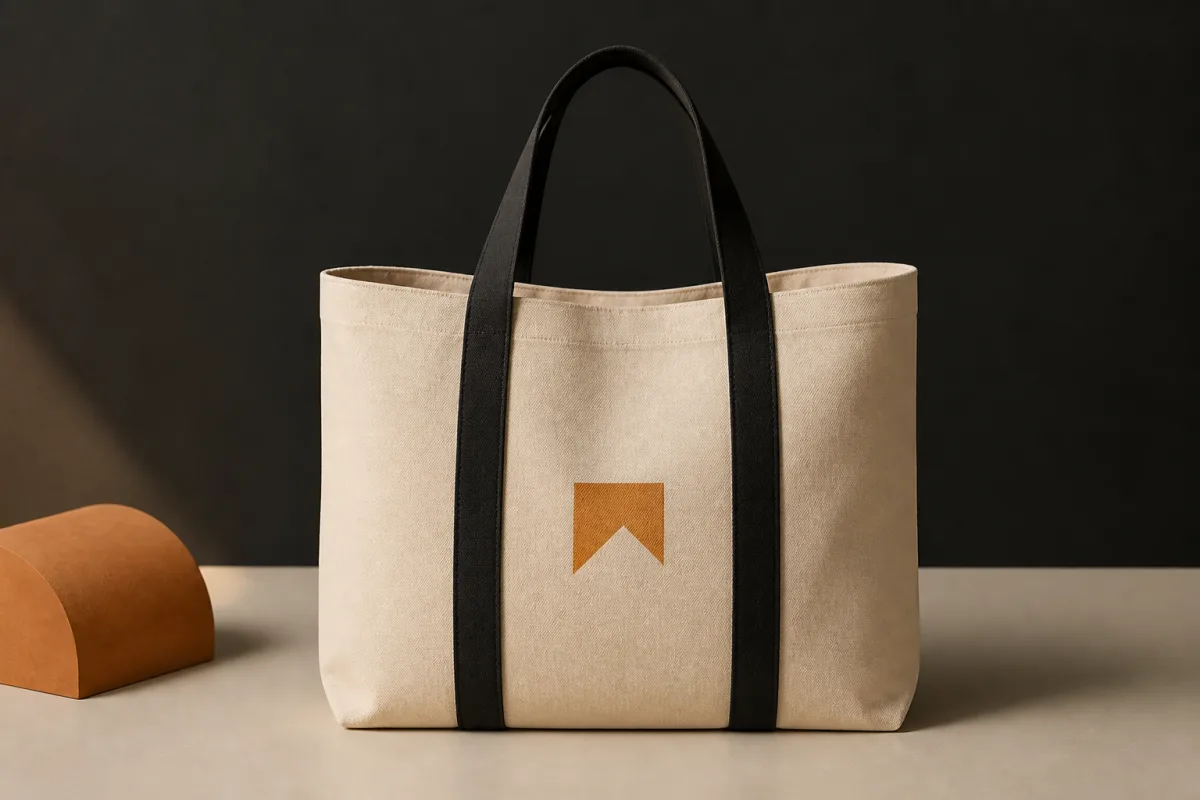
A tote bag is a strong conference giveaway when it solves an immediate carrying problem and is comfortable enough to use for the rest of the day. It becomes wasteful when the bag is too small, visibly flimsy, awkward on the shoulder, or handed out after visitors already have a better event bag.
Review at a glance
| Factor | Assessment |
|---|---|
| Indicative unit price | $1.62–$2.95 at 250 units, before setup, shipping, and tax |
| Common minimum | 50–100 units |
| Visitor value | High during the event when carrying capacity is needed |
| Recommended distribution | Open giveaway |
| Best for | Conferences without a useful attendee bag and booths offering material worth carrying |
| Main risk | Duplicate bags, uncomfortable handles, and bulky inbound cartons |
| Verdict | Strong choice under the right event conditions |
The high visitor-value assessment refers to immediate carrying utility, not proof of marketing effectiveness. An event-provided bag or an earlier exhibitor’s better tote can remove that advantage before a visitor reaches your booth.
Why totes can work unusually well on the show floor
A good tote performs its job immediately and publicly. Visitors can place a notebook, light layer, or selected handouts inside it, while the booth team can see whether the item is being used rather than merely collected.
The bag also avoids a common flaw of small novelty items: the visitor does not need to remember what it is for. That simplicity makes a tote suitable for open distribution when the event context creates genuine carrying demand.
The event can make the tote redundant
Check the attendee package before ordering. If registration includes a substantial shoulder bag, backpack, or sponsor tote, another lightweight bag may remain folded inside the first one and never perform its intended job.
Timing matters even without an official bag. A tote offered late in the day competes with bags already collected elsewhere, so the booth’s location and opening-day traffic influence usefulness more than the mockup suggests.
What the price range means
On August 21, 2026, 4imprint listed a 13-by-12-inch non-woven Value Grocery Tote at $1.62 each for 250 with a one-color front imprint and a $50 setup charge. A 15½-by-15-inch cotton sheeting tote was $2.95 each at 250 with a one-color front imprint and a $55 setup charge.
At that quantity, setup moves the examples to about $1.82 and $3.17 per bag before shipping and tax. Totes consume carton space, so freight, delivery location, and venue material-handling charges can matter more than they do for pens or other compact items.
Validate comfort and capacity with a loaded sample
Do not approve a tote while it is lying flat on a desk. Load the sample with the material a visitor might realistically carry, then wear it for at least ten minutes over the clothing expected at the event.
Check these details before approving production:
- Handles are long enough for the intended hand or shoulder carry.
- Seams and the handle attachment hold under a realistic load.
- The opening accepts the largest planned object without forcing it.
- The bag remains comfortable when loaded, without narrow handles digging into the shoulder.
- Dark garments do not show obvious color transfer from the bag or imprint.
- The folded stock, cartons, and daily refill quantity fit behind the booth counter.
The sample should also be folded and unfolded several times before the imprint is inspected. Cracking, sticking, or severe wrinkling will be visible during real distribution even if the first proof looked clean.
Use an open rule only after checking supply
An open giveaway works when the tote has immediate utility and the quantity can cover realistic demand. Put out a small visible stack or have staff offer bags to visitors who are already carrying material, then replenish against a daily limit.
Do not fill the tote with unwanted collateral merely to make it look substantial. The bag should help people carry items they chose, not become a delivery mechanism for paper that adds weight and reduces trust.
Final recommendation
Choose a tote when the event does not already solve the carrying problem, the loaded sample is comfortable, and the complete freight plan is acceptable. Skip it when attendees will receive a better bag or when the available version only meets the budget by becoming visibly disposable.
Use the conference swag selection guide to calculate quantity and landed cost before ordering. The conference swag library makes it easier to compare this immediate utility with smaller, easier-to-ship alternatives.
Next steps
Useful next steps
Guides
How to choose conference swag that earns its place
A practical method for choosing, sampling, distributing, and reviewing conference giveaways without buying clutter.
Guides
Are AirPods cases good conference swag?
AirPods cases are compact and inexpensive, but exact-generation compatibility sharply limits the audience and makes model identification essential.
Guides
Are baseball caps good conference swag?
Baseball caps provide visible, durable value for the right audience, but fit and conspicuous branding make them a poor universal handout.